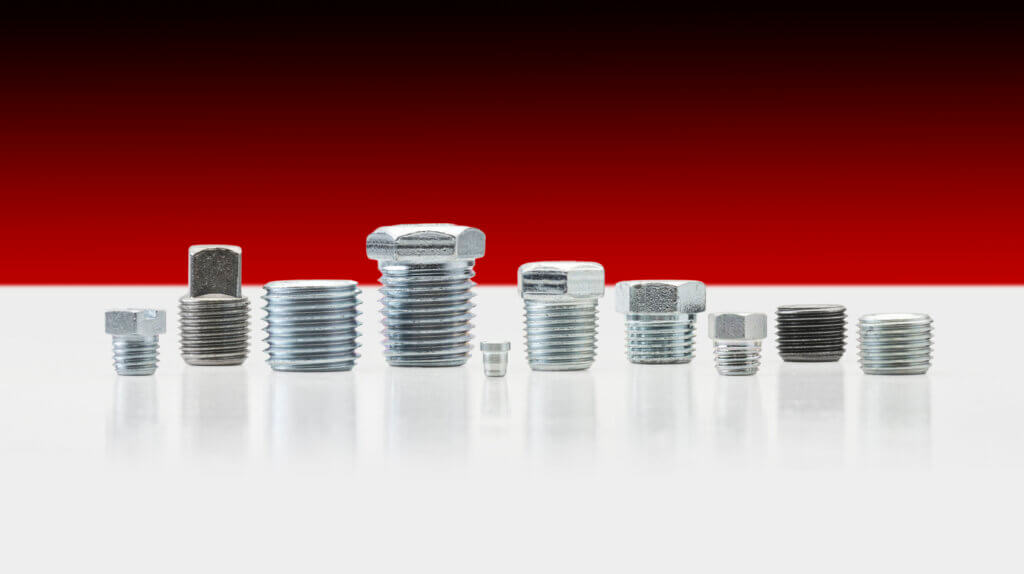
Also commonly referred to as “pipe plugs”, Grease Fitting Plugs are designed to seal threaded lubrication ports and openings to prevent contamination, leakage, corrosion, and damage to critical lubrication points. While they may seem like a simple component, selecting the proper grease fitting plug is important for maintaining equipment reliability and long-term performance.
Grease Fitting Plugs Explained
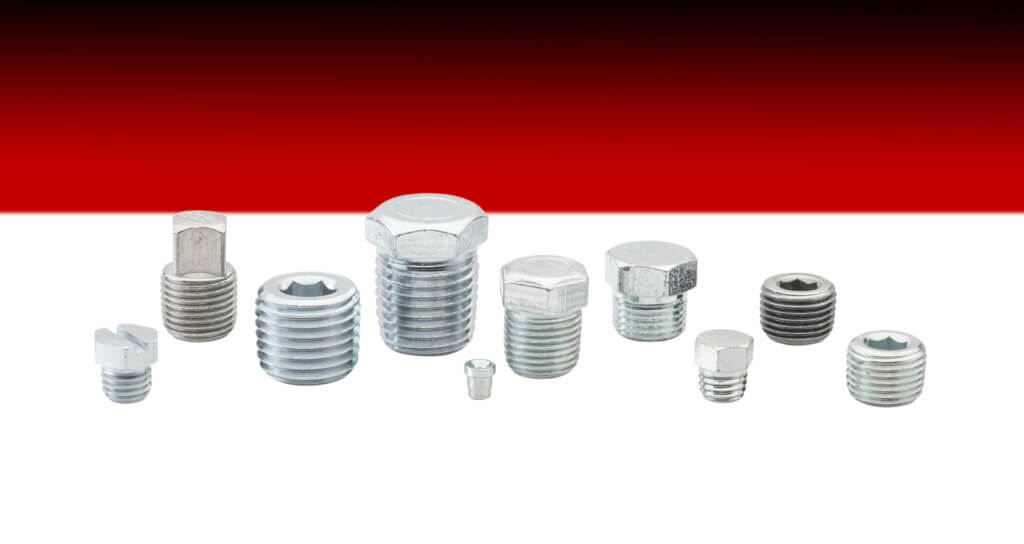 Grease fitting plugs are threaded plugs used to temporarily or permanently seal lubrication ports, threaded holes, or fluid passages in mechanical systems. They are commonly used in:
- Bearings and housings
- Hydraulic systems
- Gearboxes
- Industrial machinery
- Automotive assemblies
- Heavy equipment
- Manufacturing systems
These plugs are available in a wide variety of thread types, drive styles, materials, and finishes depending on the operating environment and application requirements.
Why Are Grease Fitting Plugs Important?
 A lubrication system is only effective if it remains clean, sealed, and protected from outside contaminants. An open or improperly sealed lubrication port can allow dirt, moisture, debris, or chemicals to enter the system — potentially leading to premature bearing failure, lubricant contamination, and costly downtime.
Grease fitting plugs help to:
- Prevent Contamination: Dust, dirt, water, and abrasive particles can quickly damage bearings and moving components. Proper plugs help keep lubrication points sealed and protected.
- Reduce Lubricant Leakage: Correctly matched thread designs help create a secure seal that minimizes grease or fluid leakage under pressure or vibration.
- Protect Threads and Ports: Unused lubrication ports can become damaged, corroded, or clogged over time. Plugs help preserve thread integrity and simplify future maintenance.
- Improve Equipment Reliability: Small sealing components can play a major role in extending equipment life and reducing maintenance costs.
Different Types of Grease Fitting Plug Drive Styles
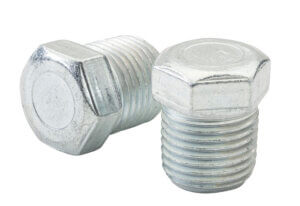
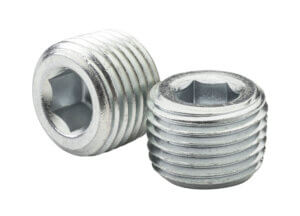 One of the most overlooked aspects of grease fitting plugs is the variety of drive styles available. Different drive configurations are designed for different installation methods, torque requirements, space limitations, and accessibility needs.
Common drive styles include:
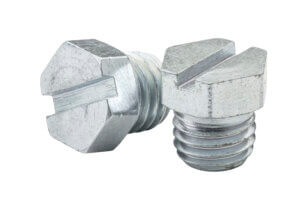 Flush-style plugs are especially useful in applications where protruding hardware could interfere with moving components or create safety concerns.
Understanding Thread Types and Sealing Performance
Not all grease fitting plugs seal the same way. Thread profile and taper design have a major impact on sealing performance and installation characteristics.
Traditional tapered pipe threads are designed to create sealing pressure as the plug tightens into the threaded hole. These designs generally do not install flush with the surrounding surface.
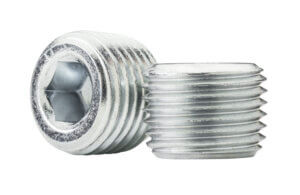
Flush-sealing designs allow the plug to install flush with the surrounding surface, reducing snag points and improving appearance and safety. These plugs are commonly used in applications where space is limited or where exposed plug heads are undesirable.
NPT vs. NPTF Threads
Many grease fitting plugs utilize NPTF threads, which are designed to provide improved leak resistance compared to standard NPT threads. This distinction is especially important in pressurized lubrication and fluid systems.
Material Selection Matters
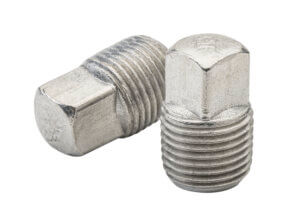 Grease fitting plugs are manufactured in a range of materials to match different operating conditions and environments. Common material options include: Low Carbon Steel, Alloy Steel, Stainless Steel, 316 Stainless Steel, Brass, Aluminum, Forged Steel, Cast Steel.
The correct material selection depends on factors such as: Corrosion exposure, Temperature, Pressure, Chemical compatibility, Outdoor vs. indoor use, Food-grade or sanitary requirements.
For example, stainless steel plugs are commonly selected for corrosive or washdown environments, while alloy steel may be preferred for higher-strength industrial applications.
Finishes and Corrosion Protection
Surface finishes also play a major role in performance and longevity. Common finish options include: Zinc Clear Trivalent, Zinc Yellow, Black Oxide, Zinc Phosphate, Cadmium, Geomet, Delta Seal coatings.
These finishes help improve corrosion resistance and extend service life in demanding operating conditions.
Industry Standards and Specifications
Grease fitting plugs are manufactured to a variety of industry standards that govern dimensions, tolerances, thread specifications, and performance requirements. Some common standards include:
- SAE J531
- ASME B16.11
- ASME B16.14
- DIN 906
- DIN 909
These standards help ensure compatibility, reliability, and consistent performance across industrial and automotive applications.
Why Proper Grease Fitting Plug Selection Is Critical
It can be tempting to substitute a plug that “looks close enough,” but grease fitting plugs are highly application-specific components. Incorrect thread types, taper designs, materials, or sealing styles can lead to:
- Leakage
- Thread damage
- Improper sealing
- Lubrication failure
- Equipment contamination
- Premature bearing wear
Choosing the correct grease fitting plug ensures the lubrication system performs as intended while protecting valuable equipment and minimizing maintenance issues.
Need Help Selecting the Right Grease Fitting Plug?
With so many thread types, materials, sealing styles, and standards available, selecting the proper grease fitting plug can sometimes be confusing. Working with an experienced supplier helps ensure compatibility with your lubrication system and operating environment.
Whether you need standard threaded plugs, flush-sealing designs, corrosion-resistant materials, or application-specific solutions, choosing the right plug is an important part of protecting your equipment investment.